

Introduction
Geotechnical investigation is one of the most critical steps in any construction project. Before laying the foundation of a building, bridge, highway, or any infrastructure, it is essential to understand the soil and rock conditions of the site. This process ensures that the structure will be safe, stable, and long-lasting.
Without proper soil analysis, even the most well-designed structures can fail. That is why geotechnical investigation plays a key role in modern civil engineering projects.
What is Geotechnical Investigation?
Geotechnical investigation is the process of analyzing soil, rock, and groundwater conditions at a construction site. It involves field testing, laboratory testing, and data analysis to determine the engineering properties of the ground.
The main goal is to understand how the soil will behave under different loads and environmental conditions.
Why is Geotechnical Investigation Important?
1. Ensures Structural Safety
A strong foundation depends on soil strength. Investigation helps prevent structural failures.
2. Reduces Construction Risks
Identifies potential issues like soil settlement, landslides, or water table problems.
3. Cost Optimization
Avoids unnecessary expenses by selecting the right foundation design.
4. Improves Design Accuracy
Engineers can design structures based on actual ground conditions.
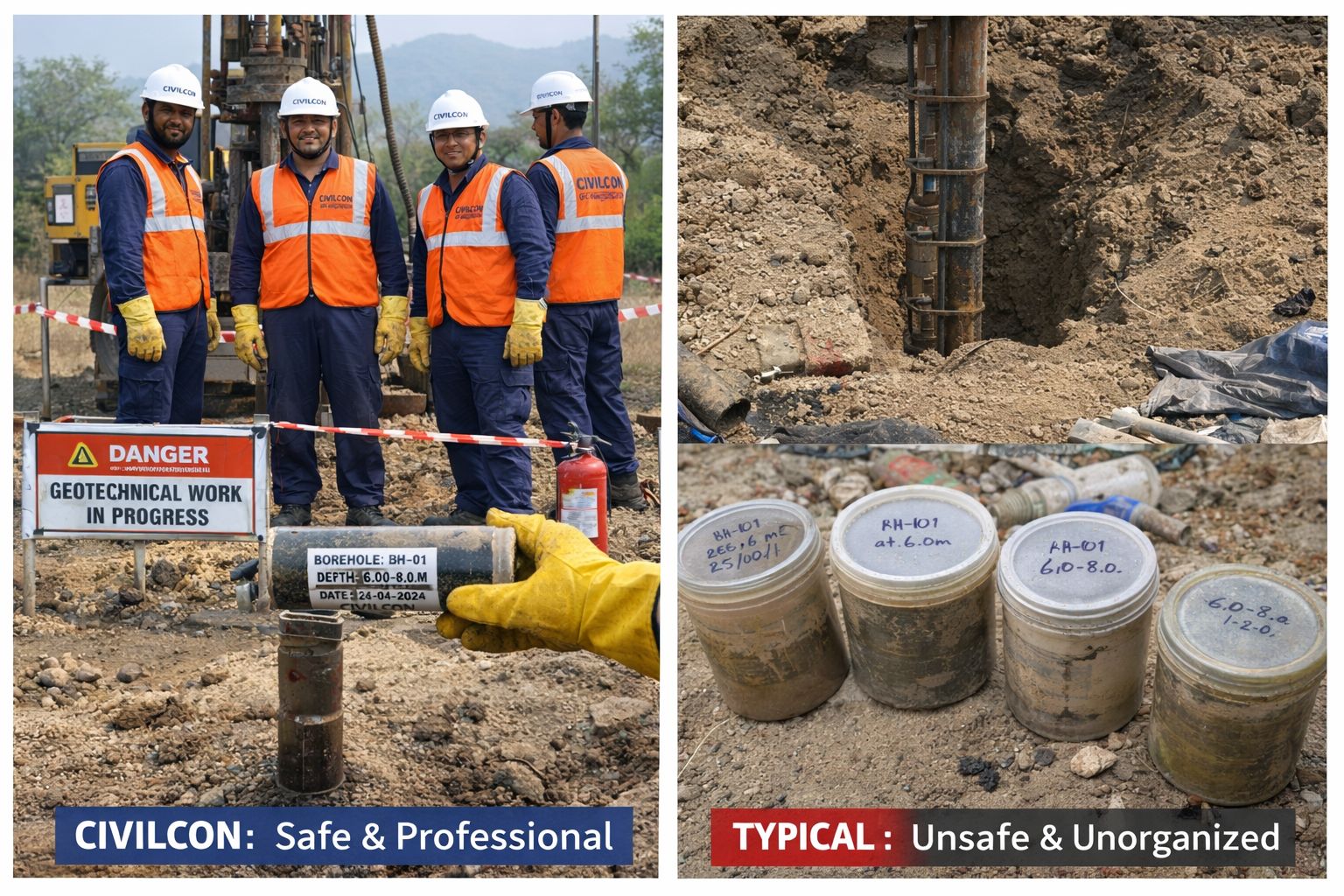
Geotechnical Investigation Process
The process is carried out in multiple stages:
1. Site Reconnaissance
Initial inspection of the site to understand terrain and conditions.
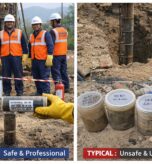
2. Field Testing
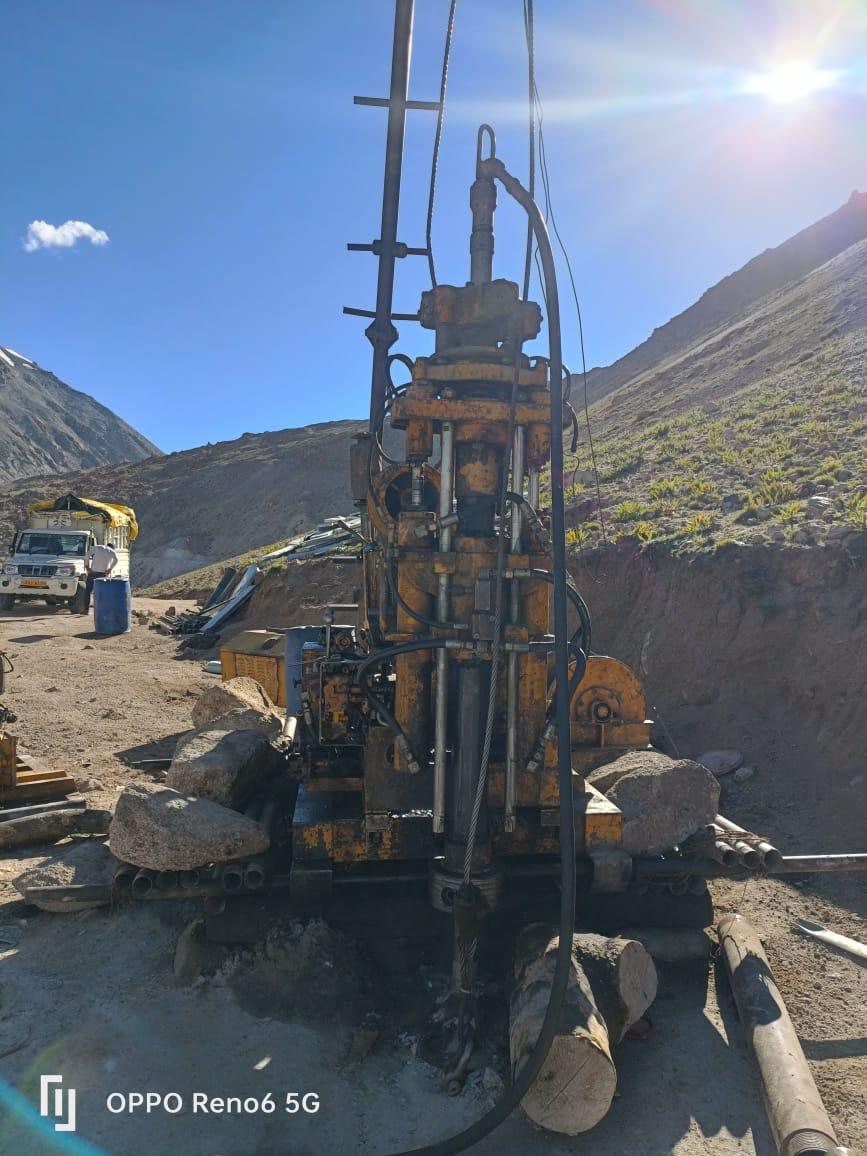
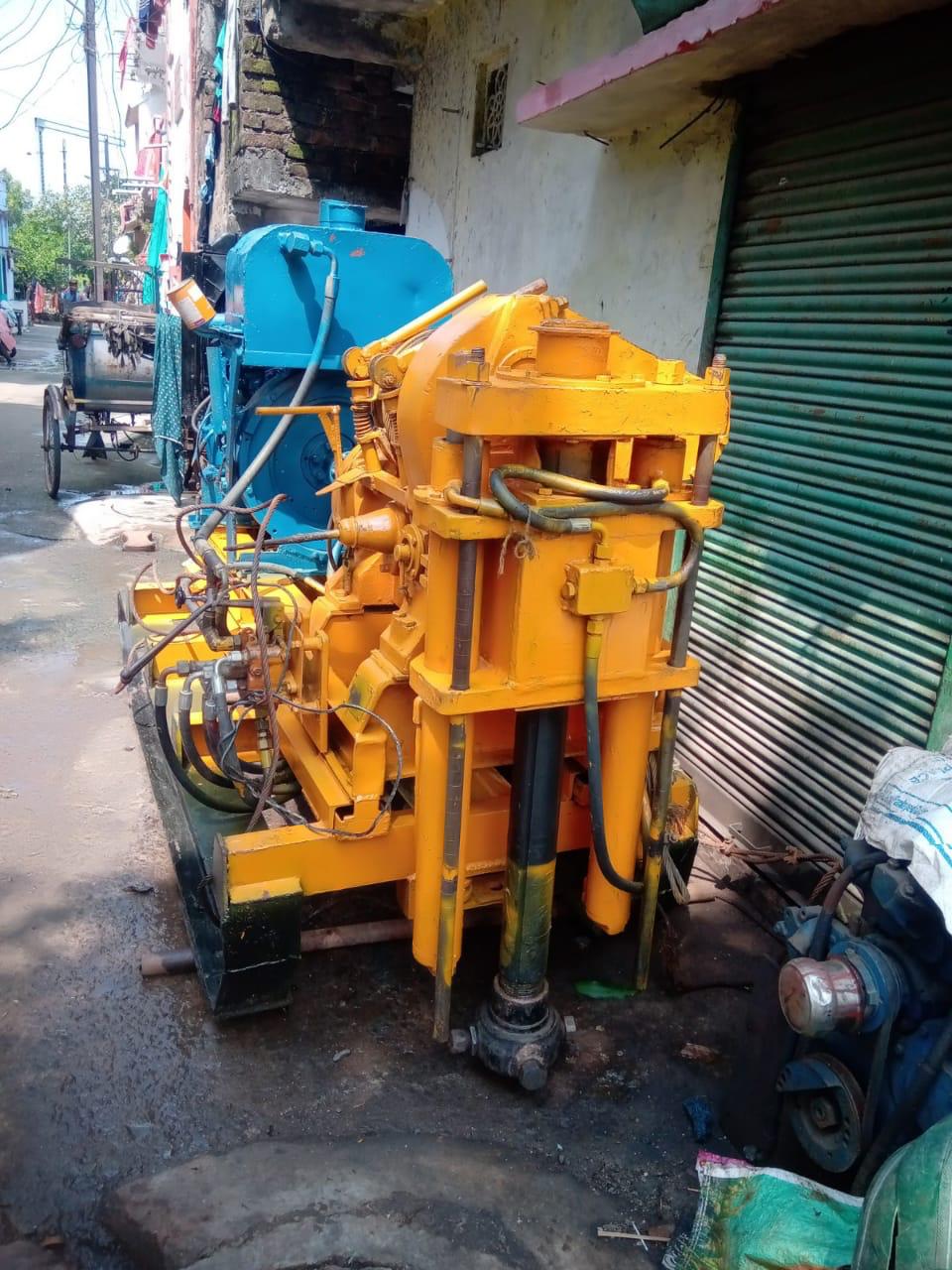
- Borehole drilling
- Standard Penetration Test (SPT)
- Cone Penetration Test (CPT)
3. Soil Sampling
Collection of soil samples for laboratory analysis.
4. Laboratory Testing
- Grain size analysis
- Atterberg limits
- Shear strength tests
5. Data Analysis & Report
Final report includes recommendations for foundation design.
Common Methods Used
Borehole Drilling
Used to collect soil samples from different depths.
SPT (Standard Penetration Test)
Measures soil resistance and strength.
CPT (Cone Penetration Test)
Provides continuous soil profile data.
Plate Load Test
Used to determine bearing capacity.
Applications of Geotechnical Investigation
- Residential and commercial buildings
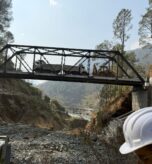
- Highways and bridges
- Railways and airports
- Dams and retaining structures
Key Factors Analyzed
- Soil type and composition
- Bearing capacity
- Groundwater level
- Settlement characteristics
Benefits of Geotechnical Investigation
Increased Safety
Prevents structural collapse and ensures long-term stability.
Better Planning
Helps engineers choose the right construction techniques.
Cost Savings
Reduces the chances of redesign and repair.
Risk Management
Identifies potential hazards early.
Conclusion
Geotechnical investigation is not just an optional step—it is a necessity for every construction project. It ensures safety, improves design accuracy, and reduces risks and costs.
If you want a strong and durable structure, investing in proper geotechnical investigation is the first and most important step.